


Treasure Coast Triva: Spring 2026
Water is essential to life for every living thing on the planet. In Florida, concerns about water supply and quality dominate countless conversations from the kitchen tables to the state legislature.
Are you water-wise? Test your knowledge about drinking water on Florida's Treasure Coast.
Where does most drinking water on Florida’s Treasure Coast come from?
A. Rivers
B. Ocean desalination
C. Underground aquifers
D. Imported reservoirs

Answer: C — Underground aquifers
The Treasure Coast relies on groundwater stored in natural underground layers of sand and rock, rather than rivers or lakes.
Which two main aquifer systems supply drinking water on the Treasure Coast?
A. Biscayne & Edwards
B. Floridan & Surficial
C. Ogallala & Floridan
D. Hudson & Coastal

Answer: B — Floridan & Surficial
The shallow surficial aquifer and the deeper Floridan aquifer both supply water, often with treatment depending on depth and quality.
Which organization/s manages regional water resources on the Treasure Coast?
A. FDEP
B. SFWMD
C. SJRWMD
D. FEMA

Answer: B & C — South Florida Water Management District (SFWMD) and St. Johns River Water Managment District (SJRWMD)
SFWMD has juridsdiction over 16 counties including St. Lucie and Martin. SJRWMD has jurisdiciton over 18 counties including Indian River. Theses regional agencies oversee water supply, flood control, and ecosystem health.
What process is commonly used to disinfect drinking water?
A. Boiling
B. Chlorination
C. Freezing
D. Aeration only

Answer: B — Chlorination
Chlorine is commonly added to kill harmful bacteria and ensure water remains safe as it travels through pipes. Chlorination happens during the disinfection stage of treatment. Plant staff make sure the water has low levels of the chemical disinfectant when it leaves the treatment plant. This remaining disinfectant kills germs living in the pipes between the water treatment plant and your tap.
What federal law protects the safety of public drinking water?
A. Clean Air Act
B. Safe Drinking Water Act
C. Clean Rivers Act
D. Water Quality Act

Answer: B — Safe Drinking Water Act
The Safe Drinking Water Act (SDWA), signed into law on December 16, 1974, is the federal law protecting public water systems in the U.S. by authorizing the EPA to set national health-based standards for tap water.
Which state entity enforces drinking water standards in Florida?
A. Dept of Environmental Protection
B. Department of Agriculture
C. FEMA
D. Water Management Districts

Answer: A — Dept of Environmental Protection
The Florida Department of Environmental Protection (DEP) is the primary state entity responsible for enforcing drinking water standards, acting under authority delegated by the U.S. Environmental Protection Agency (EPA). The DEP monitors public water systems, issues permits, and ensures compliance with the Safe Drinking Water Act
How often are public water systems tested?
A. Once a year
B. Monthly or more often
C. Every five years
D. Only after storms

Answer: B — Monthly or more often
Water systems are tested frequently—sometimes daily—depending on the contaminant being monitored.
What is a major threat to coastal groundwater supplies?
A. Earthquakes
B. Saltwater intrusion
C. Wildfires
D. Oil spills

Answer: B — Saltwater intrusion
In coastal areas, saltwater can seep into freshwater aquifers, especially if groundwater levels drop. Saltwater intrusion is a growing crisis in US coastal regions, driven by sea-level rise and over-pumping of aquifers, threatening drinking water, agriculture, and infrastructure. It damages, poisons drinking water wells, and can force, as in Florida, the abandonment of some water supplies.
How do wetlands help protect drinking water?
A. They absorb saltwater
B. They filter and absorb pollutants
C. They decrease evaporation
D. They provide wildlife habitat
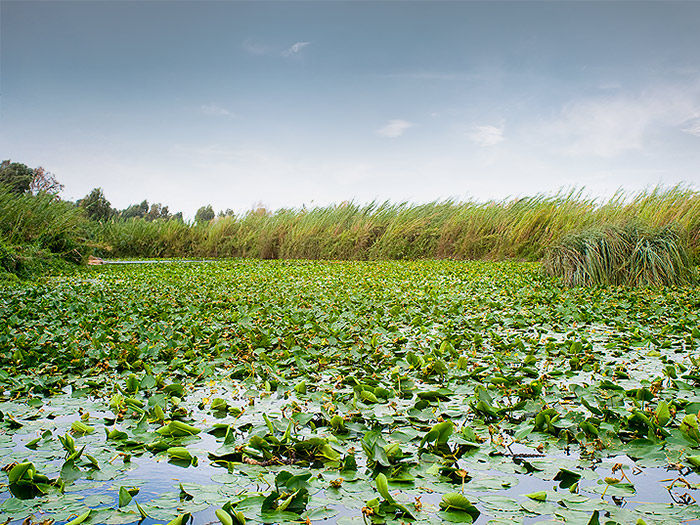
Answer: B — They filter and absorb pollutants
Wetlands act like natural sponges and filters, improving water quality before it reaches aquifers.
What is a wellfield?
A. A drainage system
B. A group of wells supplying water
C. A treatment plant
D. A reservoir

Answer: B — A group of wells supplying water
Wellfields are clusters of wells that draw groundwater to supply homes and businesses. A wellfield contains two or more interconnected wells drilled into an aquifer, designed to extract large volumes of groundwater for public water supply, irrigation, or industrial use. Instead of relying on one big well, utilities drill multiple wells into an underground water source (an aquifer), then connect them through a network of pipes and pumps. This spreads out the demand so no single well—or part of the aquifer—gets overdrawn. It’s basically an underground “water farm.”